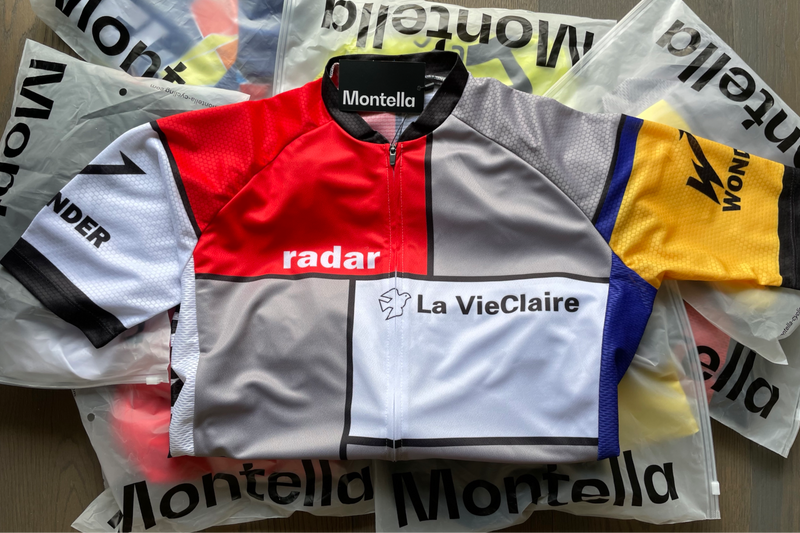
Men’s Cycling Jerseys for Road, Gravel and Everyday Riding
Montella men’s cycling jerseys are designed for riders who want a lightweight, breathable and comfortable jersey that also looks good on the bike. Whether you ride on the road, explore gravel routes or train during the week, each jersey is made to support movement, manage moisture and stay secure in a riding position.
This collection includes short sleeve and long sleeve styles for different seasons and riding conditions. Stretch fabric helps the jersey move with your body, while practical details such as full-length zippers, rear pockets and secure hems make it easy to wear on short rides, longer routes and everyday training sessions.
Short Sleeve and Long Sleeve Styles
Short sleeve jerseys are a strong choice for warm weather, indoor training and faster summer rides. They offer airflow, lightweight comfort and easy layering with a base layer or cycling vest.
Long sleeve jerseys work better for cooler mornings, changing weather and extra coverage on longer routes. They provide more protection while keeping the flexibility needed for road and gravel cycling.
Choosing between short sleeve and long sleeve mainly depends on the season, temperature and how much coverage you prefer while riding.
Fit, Fabric and Practical Features
When choosing a men’s cycling jersey, focus on how it feels on the bike, not only how it looks when standing. A close cycling fit helps reduce loose fabric, keeps the rear pockets more stable and feels better in a forward riding position.
Breathable, quick-drying fabric is important for comfort during climbs, training sessions and longer weekend rides. Rear pockets make it easier to carry small essentials such as snacks, keys, a phone or a lightweight layer. A full-length zipper helps control ventilation when the pace, weather or terrain changes.
Montella jerseys are available in a wide size range, making it easier for different riders to find a comfortable fit without feeling restricted.
Road Jerseys, Gravel Jerseys and Cycling Shirts
This collection is built for different types of riding. Road jerseys are ideal for faster routes, regular training and long days in the saddle. Gravel-ready designs work well for mixed surfaces, relaxed adventure rides and changing conditions. Cycling shirts with performance-focused details are a practical option for riders who want comfort, movement and everyday usability.
You can wear these jerseys on their own or pair them with matching bib shorts for a complete cycling kit. Whether you prefer clean designs, bold colours or standout patterns, the goal is simple: a cycling top that fits well, feels comfortable and performs reliably on the bike.
FAQs
What makes a good men’s cycling jersey?
A good jersey should be lightweight, breathable, comfortable in a riding position and practical for real rides. Useful features include stretch fabric, rear pockets, a full-length zipper and a secure fit around the waist.
Should a cycling jersey fit tight?
A cycling jersey should fit close to the body, but it should not feel restrictive. A closer fit helps reduce fabric movement, improves comfort in a riding position and keeps the rear pockets more stable.
Are short sleeve or long sleeve jerseys better?
Short sleeve jerseys are better for warm weather, indoor training and higher-intensity rides. Long sleeve jerseys are better for cooler conditions, extra coverage and transitional seasons.
What is the difference between cycling jerseys and cycling shirts?
Cycling shirts are a broader term for bike tops. Cycling jerseys usually have more ride-specific features, such as rear pockets, stretch fabric, a full-length zipper and a closer fit for road or gravel cycling.
Can I wear these jerseys for both road and gravel cycling?
Yes. They are suitable for road rides, gravel routes, training sessions and everyday cycling.